
Living in Layers: How to Soften Tiled Spaces with Texture
There is a moment after every renovation when the hard work is finally complete. The tiles have been laid, the cabinetry is installed and every finish has been carefully chosen, yet the space can still feel as though something is missing. While the foundations are there, it often lacks the warmth and personality that make a house feel truly lived in.
This is often the case in homes where tiles form the foundation of the design. Whether it's a living room with tiled floors, a kitchen splashback or a bathroom with floor to ceiling wall tiles, the right layers of texture help every space feel warmer, softer and more inviting.
The good news is that creating this feeling doesn't mean making more permanent design decisions. In fact, the opposite is often true. Beautiful homes evolve through thoughtful styling, allowing timeless materials like tiles to remain the hero while softer layers introduce comfort, depth and personality over time.
Why Texture Matters More Than Colour
When people think about making a room feel warmer, they often assume they need to introduce more colour. While colour certainly influences mood, designers know that texture has an even greater impact because it changes the way a space feels without disrupting the palette you've already created.
Tiles naturally provide clean lines, durability and structure. Whether you've chosen porcelain, ceramic or stone look finishes, they create a beautiful foundation that reflects light and gives the room a sense of permanence. If every other surface shares that same smooth finish, however, the room can begin to feel flat or overly polished.
Texture creates balance by introducing materials that soften hard surfaces, adding warmth and depth in a way that feels natural and effortless. Linen softens natural light filtering through a window, wool adds visual weight beneath furniture, while timber introduces warmth through its natural grain. Together, these materials create contrast that balances the hard surfaces in the room, creating a home that feels warm, relaxed and beautifully lived in.
Rather than asking whether a room needs another colour, ask whether it needs another texture. Often, that small shift in thinking makes all the difference.
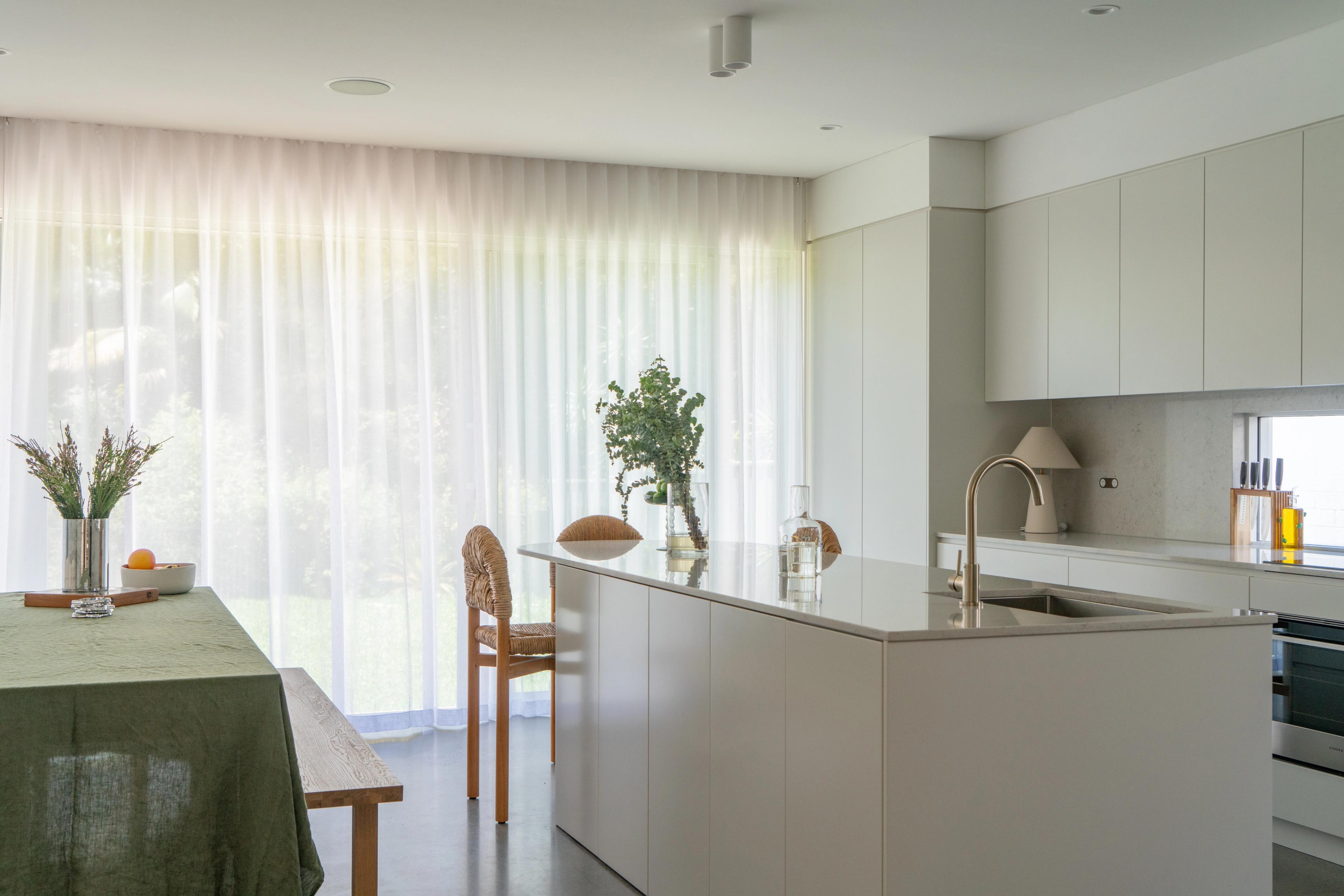
Design Principle One: Layer Texture at Every Height
One of the most common styling mistakes is concentrating texture in a single part of the room. Adding a rug beneath the coffee table certainly helps, but if every other surface remains hard and smooth, the overall space can still feel unfinished.
Professional stylists instead think about texture in layers, introducing softness from the floor all the way to eye level. This approach creates a room that feels balanced because your eye naturally moves between different materials instead of stopping at one feature.
Start from the ground by defining the space with a generously sized rug or runner that allows your tiles to remain visible around the edges. This frames the flooring rather than hiding it and helps anchor furniture within open plan spaces. Choosing the right size is just as important as the material, with larger rugs generally creating a more balanced and considered look than smaller rugs that float in the middle of a room.
Next, consider the furniture itself. Upholstered dining chairs, boucle armchairs or linen sofas all introduce softer materials where people spend the most time. These tactile finishes create comfort while complementing the durability of tiled flooring, making living spaces feel more inviting without taking attention away from the foundation beneath them.
Finally, look upwards. Full length linen curtains soften natural light and reduce the visual contrast between windows and walls, while woven pendants, handcrafted ceramics, artwork and indoor plants introduce texture at eye level. When these layers are thoughtfully distributed throughout the room, the space feels complete, balanced and effortlessly welcoming.
TileCloud Tip: Aim to include at least three natural textures in every room. A combination of timber, linen and wool is often enough to create warmth and depth while maintaining a calm, cohesive palette.
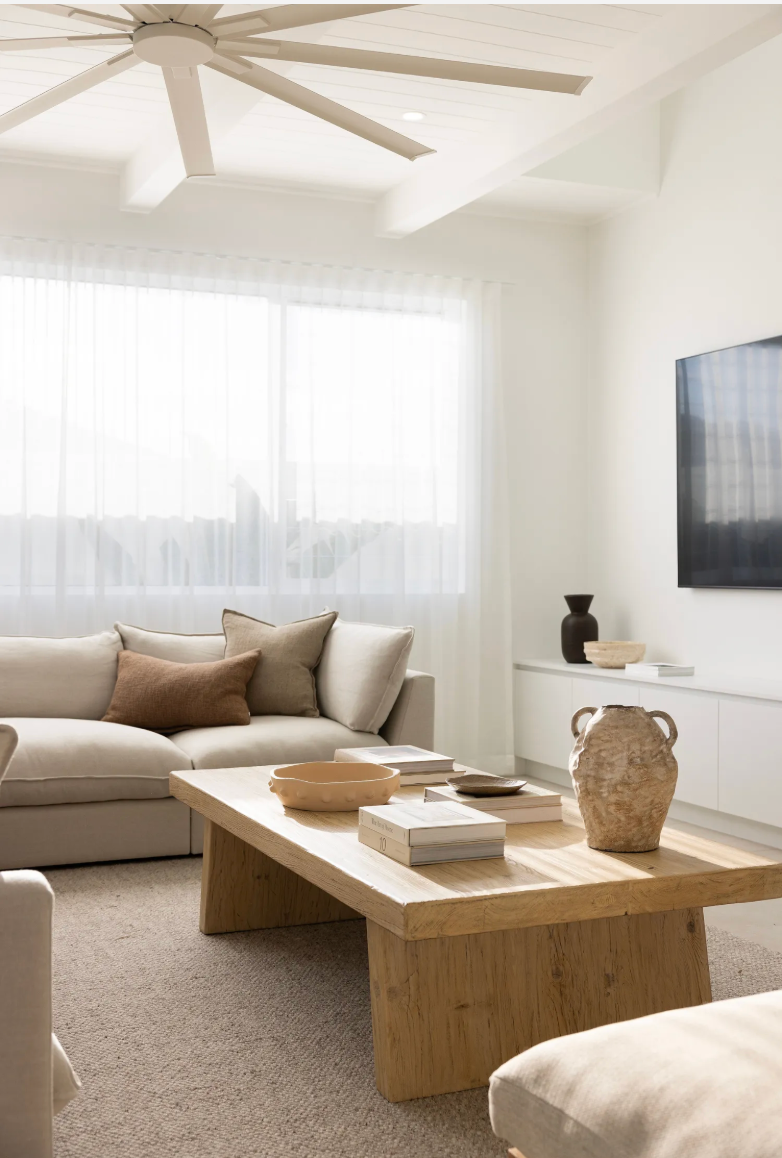
Design Principle Two: Pair Materials That Complement Your Tiles
Not every texture works with every tile, which is why designers think about materials as complementary rather than matching. The goal is to create harmony by repeating natural finishes that reinforce the character of your tiles instead of competing with them.
If you've chosen Travertine Look Tiles, lean into their organic warmth by pairing them with washed linen, oak furniture, limestone accessories and handcrafted ceramics. These materials echo the natural movement within the tile, creating an interior that feels relaxed and effortlessly layered.
Homes featuring Stone Look Tiles often benefit from richer textures that soften their clean, contemporary appearance. Boucle upholstery, chunky wool rugs and warm timber furniture create contrast while maintaining a refined, understated palette that feels timeless rather than trend driven.
For those who love the character of Handmade Look Tiles, woven baskets, textured cotton, natural fibres and aged brass finishes reinforce the artisanal quality that makes these tiles so distinctive. Rather than introducing bold decorative pieces, these quieter materials allow the variation within the tile itself to become part of the overall story.
As a simple rule, the more natural the materials feel together, the more cohesive the room will become. Your tiles have already established the foundation of the design, so every additional layer should work alongside them to create a home that feels warm, balanced and uniquely yours.
Design Principle Three: Build Around Timeless Foundations
One of the greatest benefits of choosing timeless tiles is that they give you the freedom to refresh your home without starting from scratch. While trends come and go, quality tiles are designed to last for decades, making them one of the most permanent design decisions you'll make during a renovation.
Interior designers often think about a room in layers. The permanent elements, including your tiles, cabinetry and benchtops, establish the overall look and feel of the space, while the softer layers bring personality and can evolve over time. This approach allows your home to grow with you, whether you're introducing seasonal styling, updating furniture or simply refreshing your décor every few years.
Rather than following trends with permanent finishes, choose tiles you'll continue to love for years to come and use rugs, cushions, artwork and accessories to reflect your changing style. It's a simple approach that keeps your home feeling fresh while protecting the investment you've already made.
If you're still deciding on the right tile, exploring our Style Packs or ordering Tile Samples can help you compare colours, textures and finishes in your own home before making your final decision.
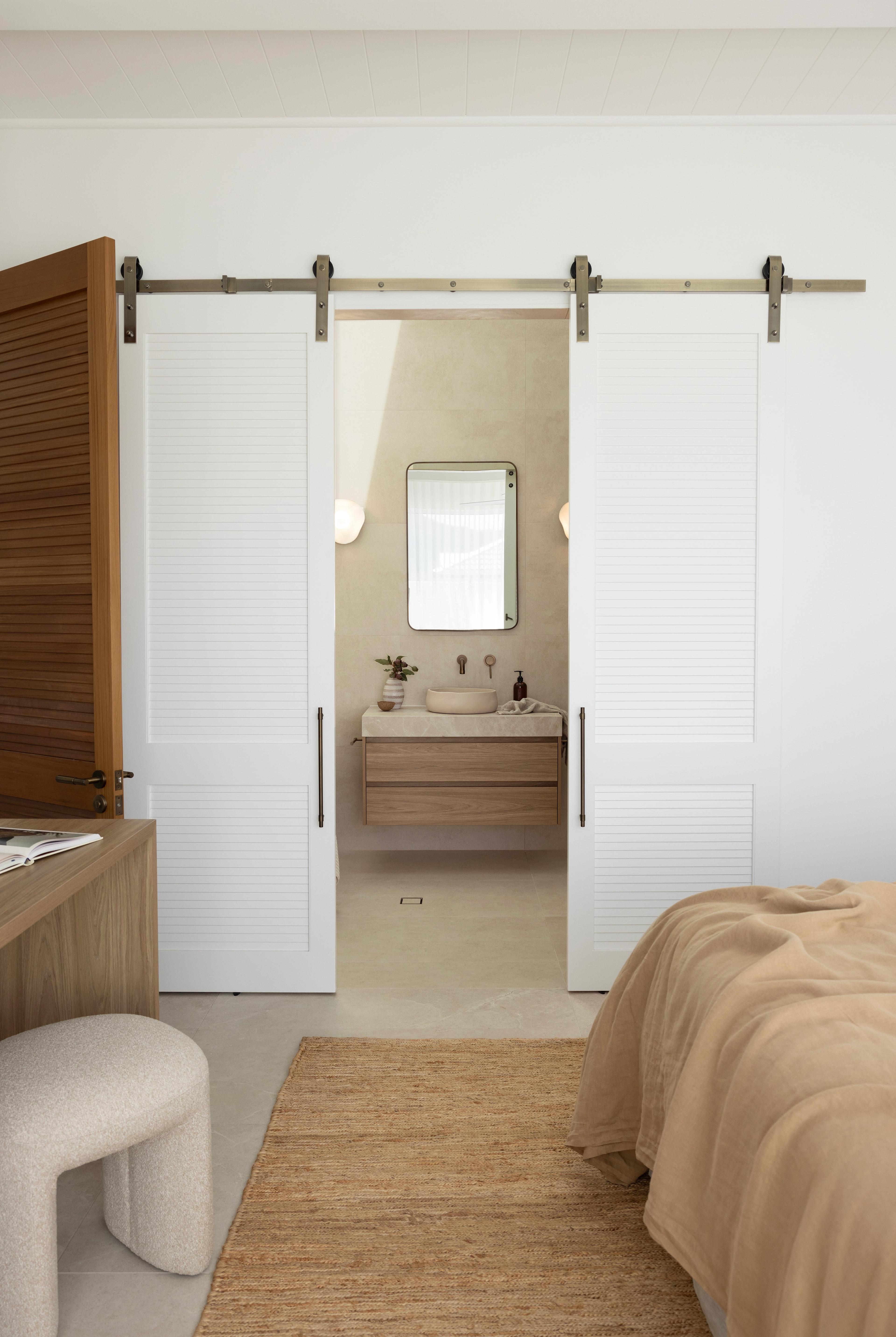
Create a Bathroom That Feels Like a Retreat
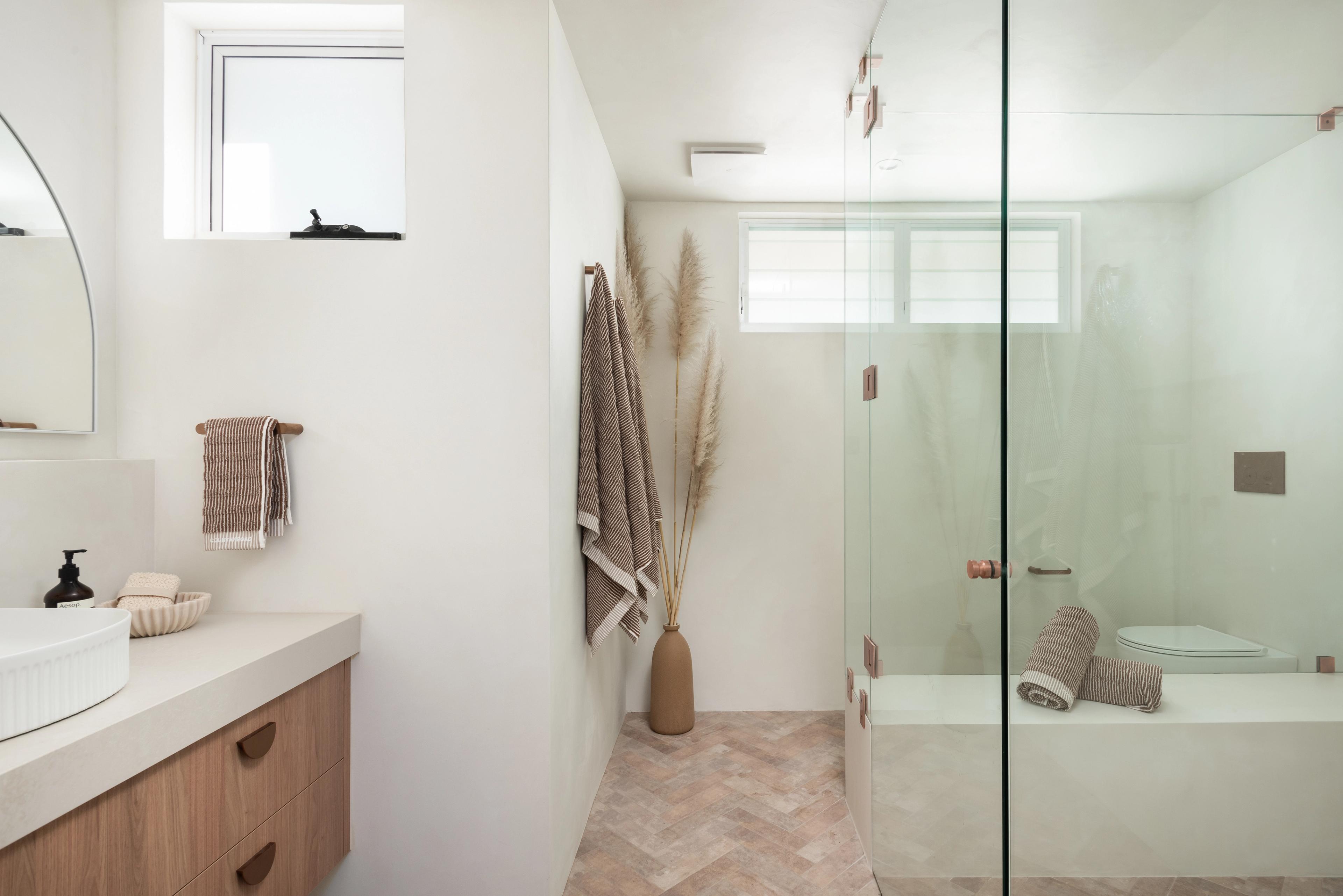
Bathrooms naturally contain more hard surfaces than any other room in the home, making texture even more important. The key isn't to fill the space with decorative accessories, but to introduce practical materials that soften the room while still supporting its everyday function.
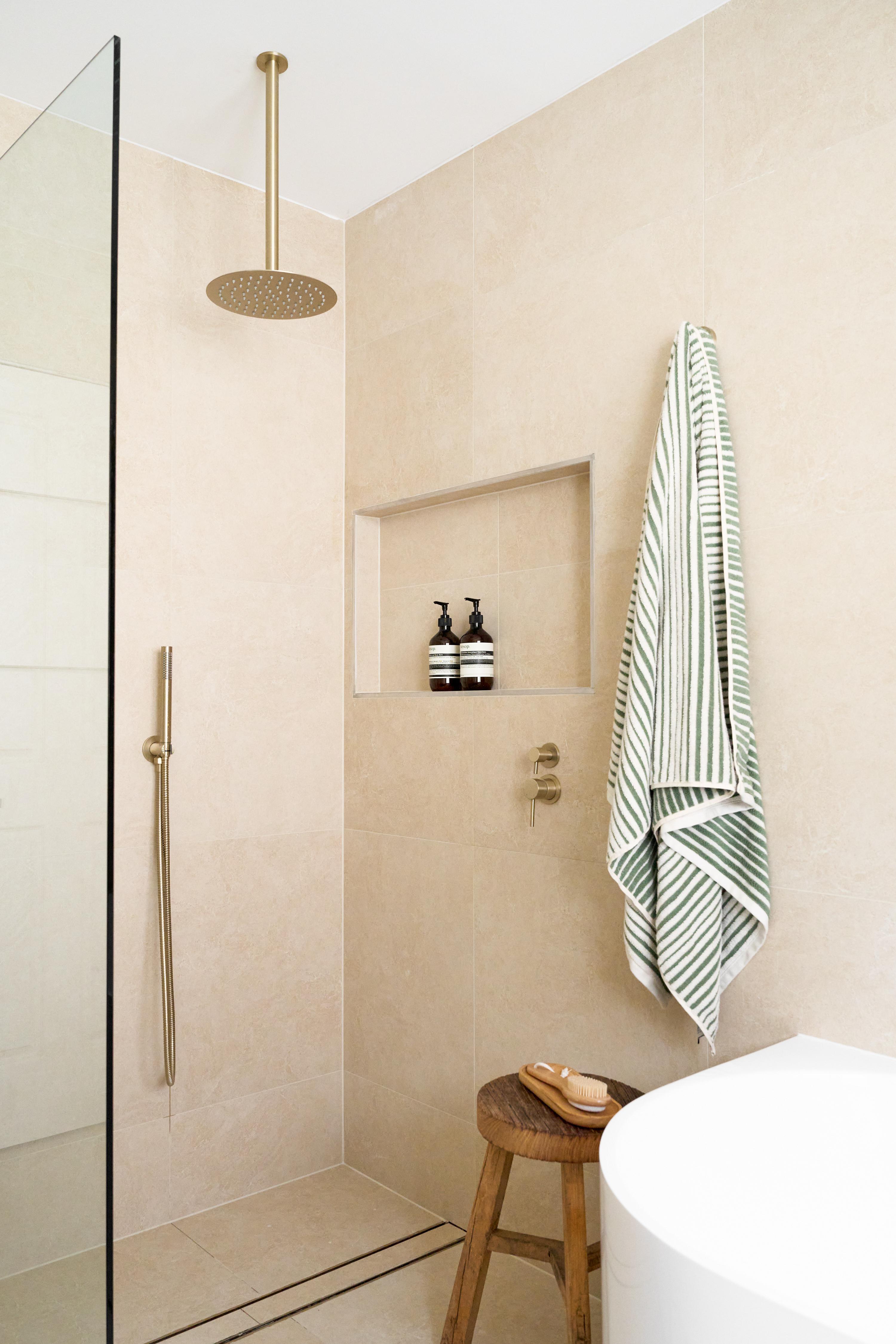
Start by thinking about the surfaces you interact with every day. Plush cotton towels, waffle weave bath sheets and a generously sized bath mat instantly make the space feel warmer while adding comfort underfoot. From there, introduce natural materials that break up larger tiled surfaces, such as a timber stool beside the bath, a woven basket for storing towels or a handcrafted ceramic tray for everyday essentials.
Plants are another simple way to soften a bathroom, particularly varieties that thrive in humid environments. Combined with natural light and a restrained colour palette, they help create the calm, spa like atmosphere many homeowners are trying to achieve.
The best bathroom styling feels intentional rather than excessive. Every item should either add comfort, improve functionality or introduce another layer of natural texture that complements your tile selection.
If you're planning a renovation, our Bathroom Tile Ideas guide is a great place to start, helping you choose a timeless foundation that will continue to work beautifully as your style evolves.
A Home That Evolves With You
The most inviting homes are rarely the ones that feel perfectly styled from day one. Instead, they're the homes that develop naturally over time, with each layer adding warmth and personality without changing the foundations beneath them.
When you choose timeless tiles, you're giving yourself the flexibility to update everything around them as your lifestyle changes. A new rug can refresh a living room, linen curtains can soften a space with the seasons and handcrafted accessories collected over the years can gradually tell your story, all while your tiles continue to provide the beautiful foundation they were designed to.
By focusing on texture instead of trends, you'll create interiors that feel warm, balanced and genuinely lived in, proving that the most beautiful homes aren't built all at once. They're built in layers.

Layla is a creative at heart, with an Advanced Diploma in Interior Design and being the Senior Marketing and Ecommerce Coordinator here at TileCloud she has a passion for staying up to date with the latest trends within the industry. Known for going down a rabbit hole on Pinterest and being a sucker for a good mood board to kick off any project.