Bring Nature Indoors with Biophilic Design
Have you ever walked into a green space and instantly felt calmer? That’s the quiet magic of biophilic design — the art of bringing nature indoors. As humans, we’re hard-wired to seek out natural light, organic textures and earthy tones. The best part? Biophilic design doesn't just make your home more beautiful — it also supports your wellbeing.
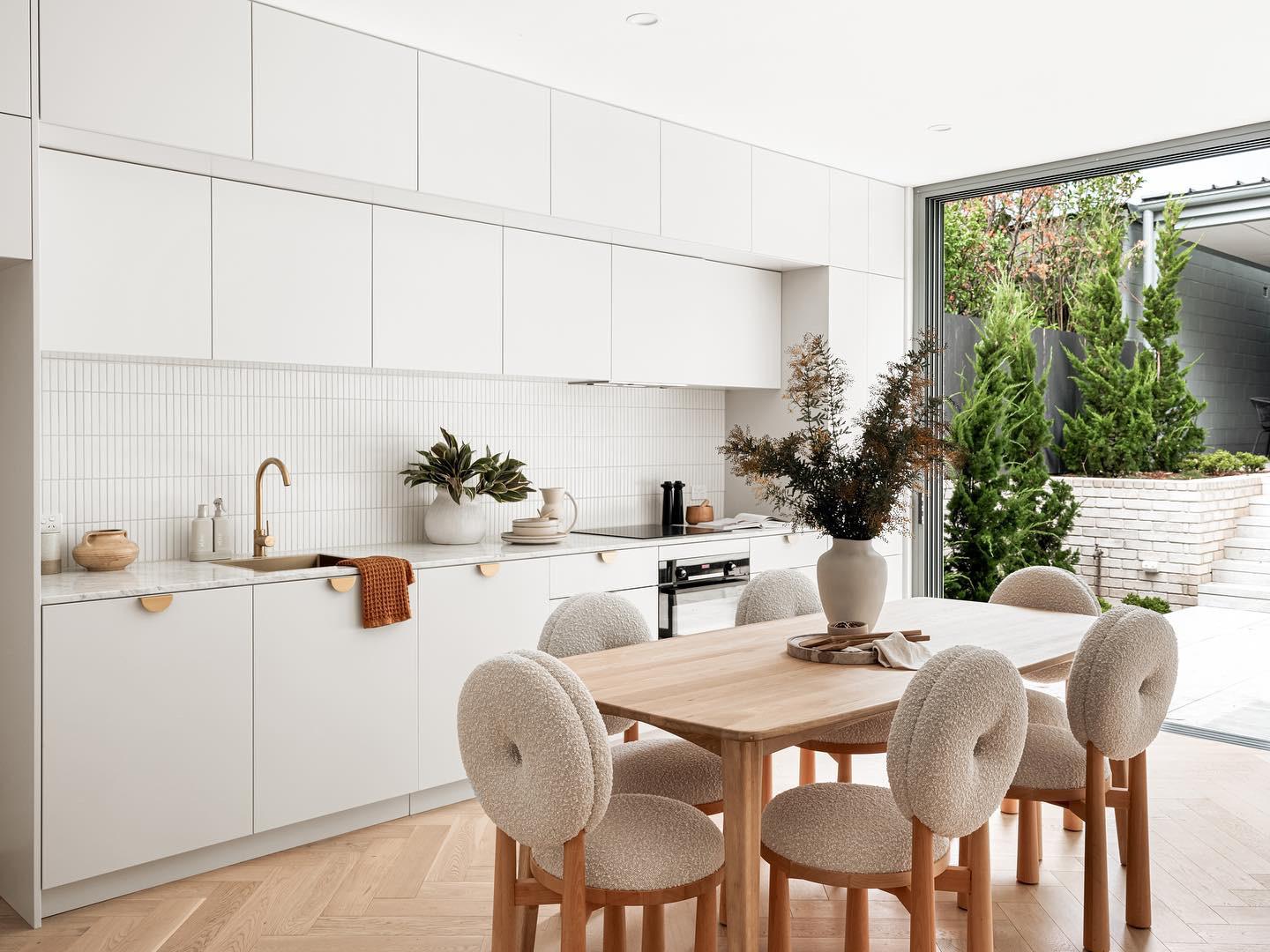
In this guide, we’ve gathered expert tips on what biophilic design is, the many ways it supports your mind and body, and hands-on advice on integrating it into your home.
So, what is biophilic design?
The term “biophilic” comes from the Greek words “bios” (life) and “philia” (love), meaning a love for life. It refers to our natural need to stay connected to nature — a connection that has been shown to support our well-being.
Biophilic design uses natural elements like light, colour and texture to connect us to the outdoors even when we’re inside.“There’s a grounding effect of biophilic design that people naturally crave,” says Dan Jones, Founder of Terrarium Tribe. “It’s like that soothing feeling of walking in a forest, just at home.”
According to Gal Cohen, Field Area Manager for JDM Sliding Doors, “Biophilic design should fundamentally change how a space functions, not just visually decorate it.” The technique uses natural materials, plants, lighting and organic patterns and shapes to create indoor spaces that feel calm and restorative.
Using biophilic design in your own home
Introducing biophilic design features in your home doesn’t require a complete renovation — small, DIY adjustments can have a big impact. Tranquil Interiors LLC (http://tranquilinteriorsllc.com)’s Founder and Principal, Deanna Girardo, advises tuning into how you feel in the space. “Decorate your home with attention to your senses,” she says. “Not just what you can see, touch, hear, taste and smell, but how your body feels internally while in the space.”
Ready to see how it comes together? Let’s look at the biophilic design staples shared by our experts:
Indoor plants
Biophilic design thrives on greenery, so adding low-maintenance plants can immediately brighten a room – and improve air quality.
Shane Pliska, President and CEO of Planterra, recommends placing plants within the first 10 feet of your door. “Humans are wired to respond positively to exposure to plants, flowers and nature,” he says. “This is why you are greeted with fresh flowers when entering a grocery store.”
As for which plants, think about the space you have, and ask yourself what sort of light is available, the visual effect, the possible health benefits and how much care it will require.
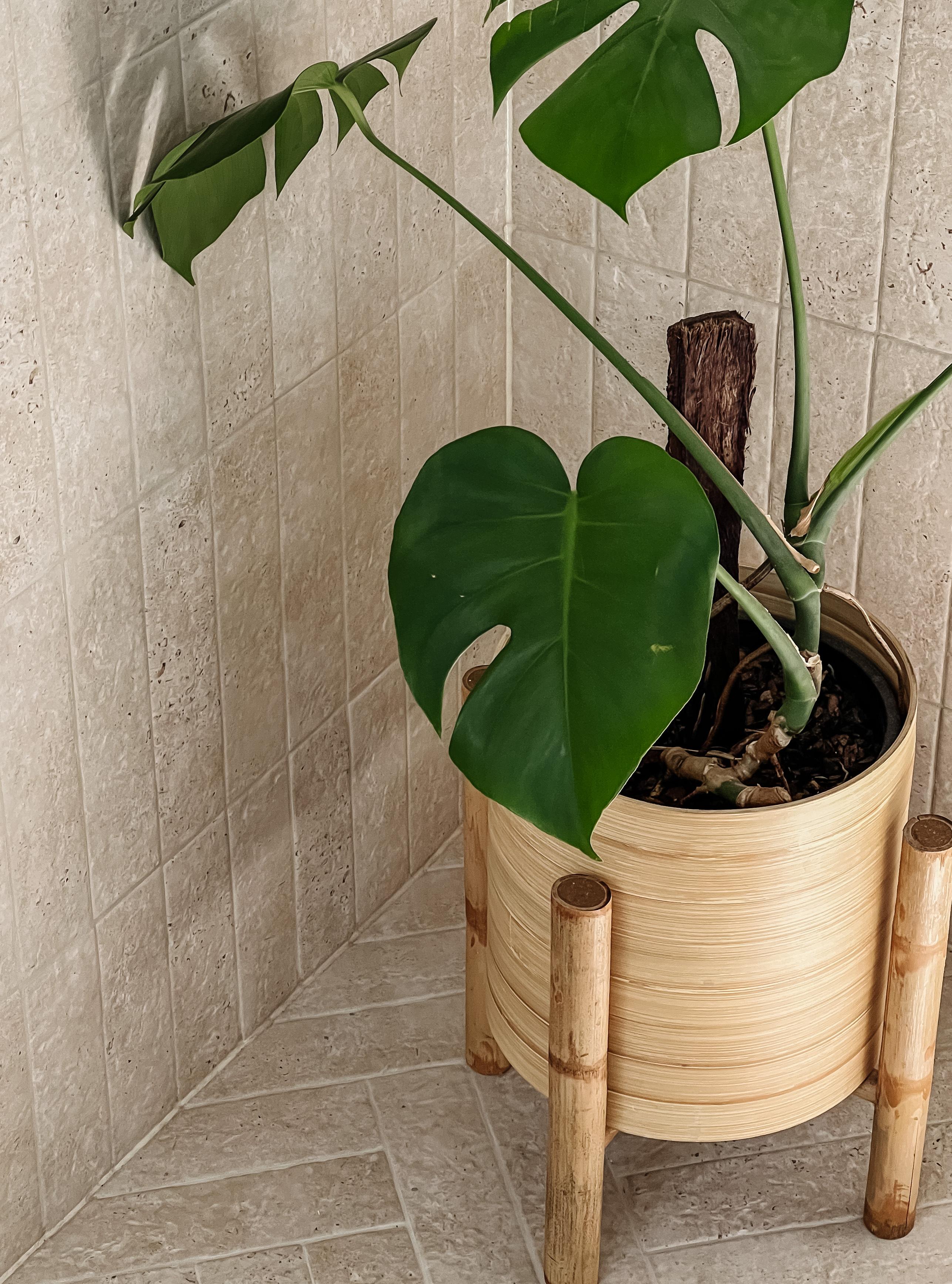
For example, James Mellan-Matulewicz, Creative Director and Interior Designer at Bobbi Beck, recommends incorporating plants like Bromeliads into your bedroom because they improve the room’s oxygen levels at night.
Here are some low-maintenance indoor plant ideas to get you started:
- Monstera: Known for its large, dramatic leaves, you can place the Swiss cheese plant on a side table to bring a lush feel to your room.
- Bromeliads: They’re vibrant and known for their unique flowers. They also release oxygen at night, making them a great option for bedrooms.
- Spider plant: A resilient plant that can thrive in minimal light and helps purify the air by removing certain toxins.
- The snake plant: Also known as ‘mother-in-law’s tongue,’ it helps improve air quality at night.
- Herbs: A simple, affordable addition to windowsills, while also producing ingredients for the kitchen.
- Succulents: The most low-maintenance of all, succulents are a simple, versatile indoor plant choice with a wide variety of species to suit your taste.
Materials and textures
Mark Caufield, CEO of Glasshouse Architecture, recommends materials that create a grounded, organic atmosphere. “Use natural materials like timber, stone and linen, in a muted, nature-led palette with non-glare finishes,” he says.
Wallcoverings can also provide biophilic textures, as Mellan-Matulewicz explains. “Wallpaper inspired by botanical patterns can also enhance the natural feel in the home,” he says.
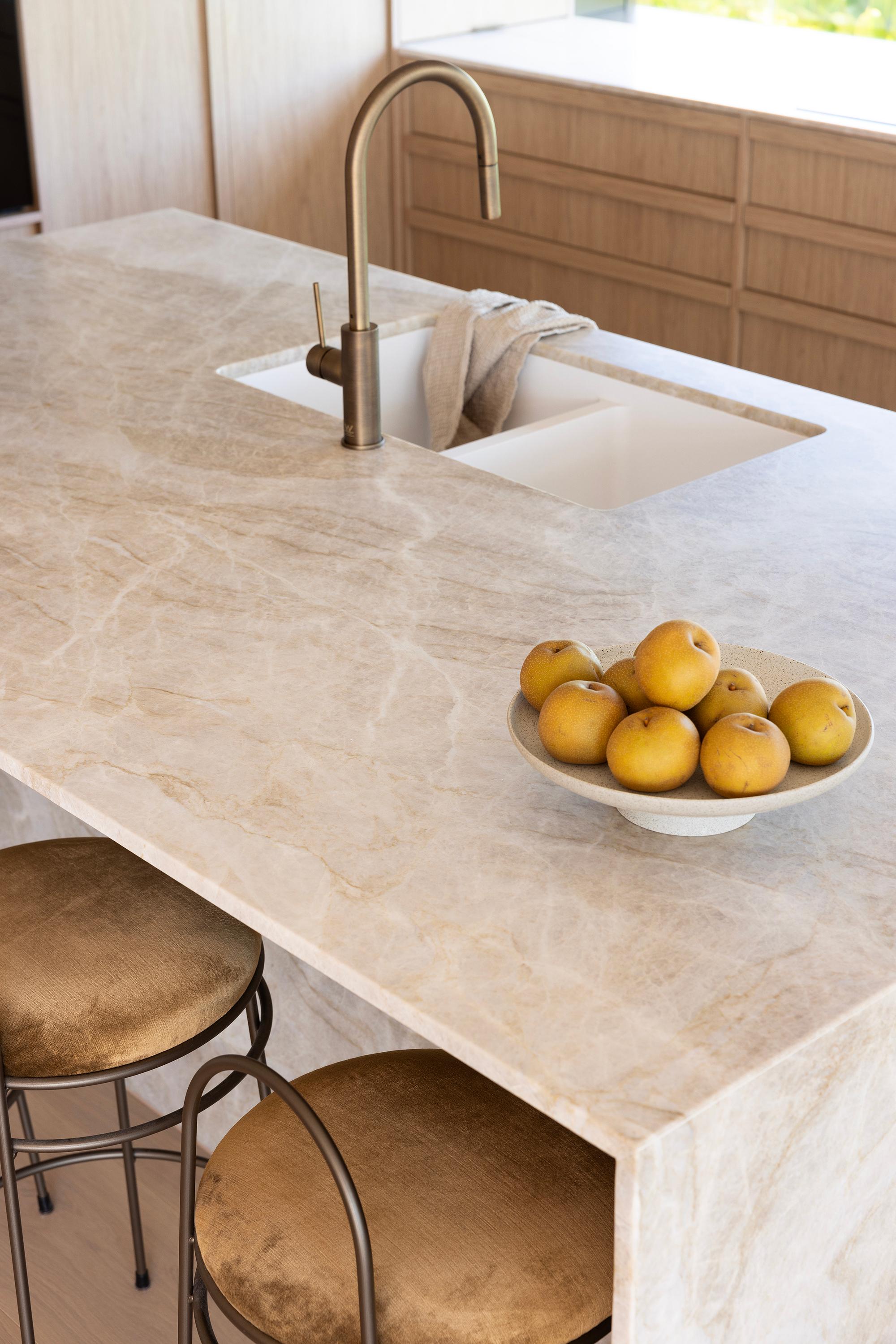
Here are some ideas for integrating natural materials into your home:
- Wooden furniture: Timber bathroom vanities, mirrors, cabinets, chairs, drawers or shelves add warmth and texture to a space.
- Stone-look tiles: Natural stone or bone tiles bring subtle pattern and texture to walls or floors.
- Stone countertops: Marble or granite countertops bring a timeless, organic feel to a kitchen or bathroom while providing the durability a countertop needs.
- Linen curtains: By allowing natural light to filter through, light, airy linen curtains tie a biophilic space together by adding a relaxed feel to the room.
Natural light
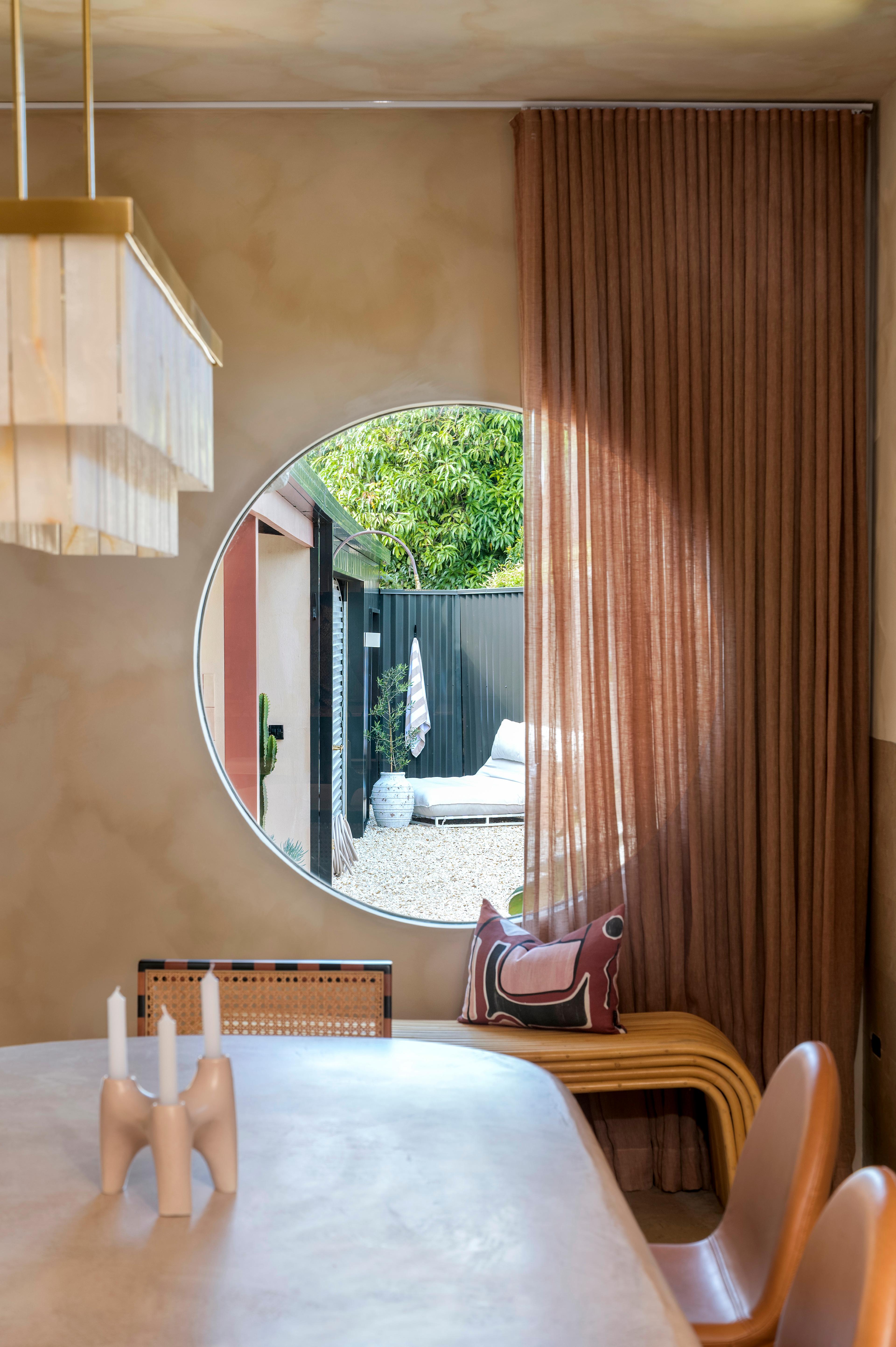
Along with illuminating your space, natural light boosts mood, improves productivity and regulates our circadian rhythm. “Prioritise natural light with large windows,” says Caufield. “Invite fresh air and sightlines to greenery, inside and out,” he says. Mellan-Matulewicz also emphasises the importance of natural light. “Keep windows clear and arrange furniture so you can see outside,” he says.
You’ll also use less energy if your home has more natural light. “A 12-foot glass door could provide a homeowner with an additional 35% increase in natural light over that of a typical door, increasing mood and decreasing the amount of artificial light used,” says Cohen.
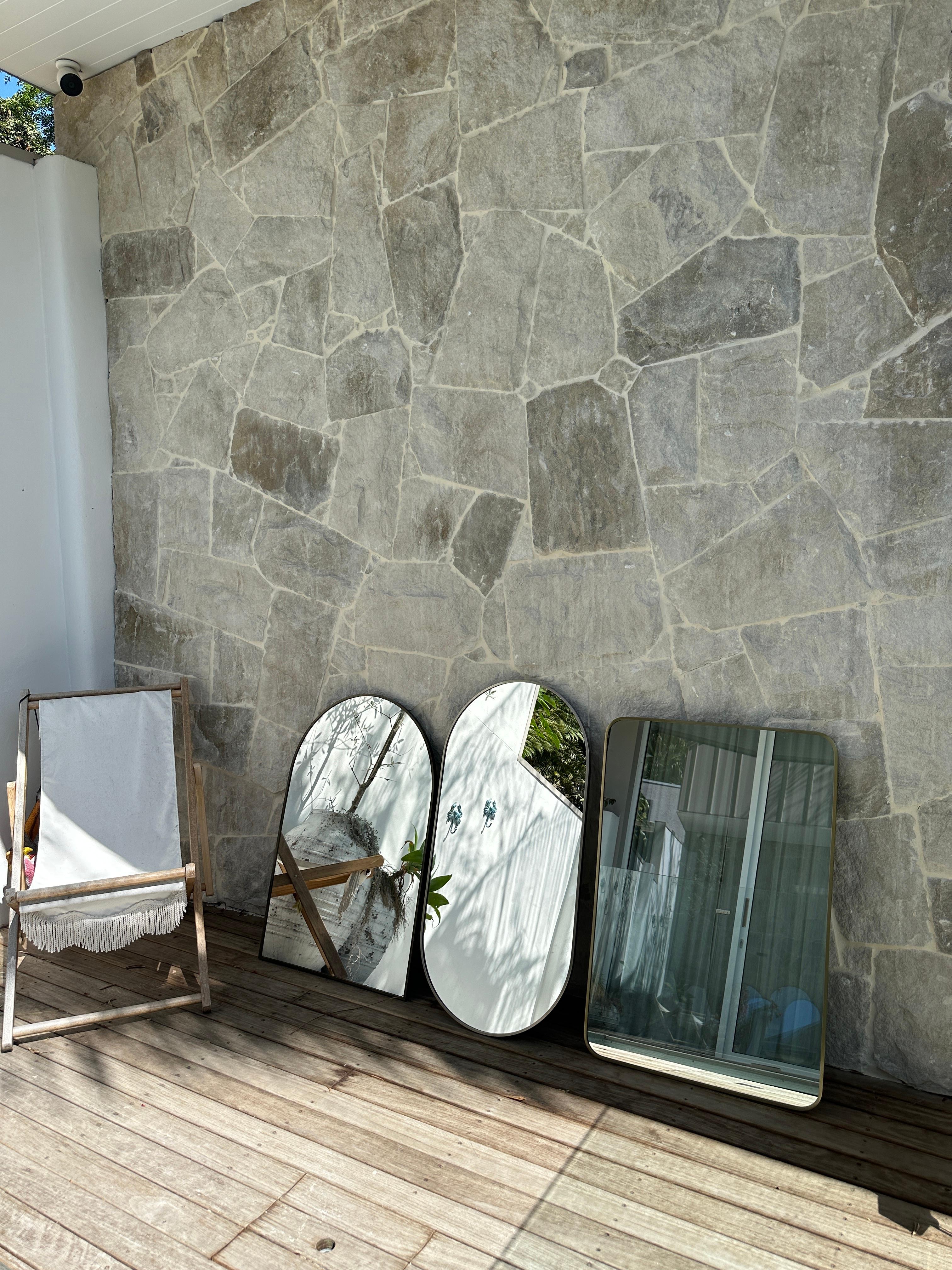
If adding new doors and windows isn’t an option, Mellan-Matulewicz recommends using natural imagery, such as landscape artwork or photos of plants, to make the space feel lighter and more open. Strategically placed mirrors can also work wonders.
Airflow
You can’t create a healthy, comfortable indoor environment without decent airflow. Indoor plants play a huge role in purifying and circulating the air in your home, as Pliska explains: “The water vapour released via transportation into the air reduces dry nasal passages, improves vocal comfort, reduces static electricity and reduces airborne dust particles by weighing down fine particulate matter.”
Our favourite biophilic design examples
Let’s look at how natural elements — from simple greenery to clever use of light— can shape a space.
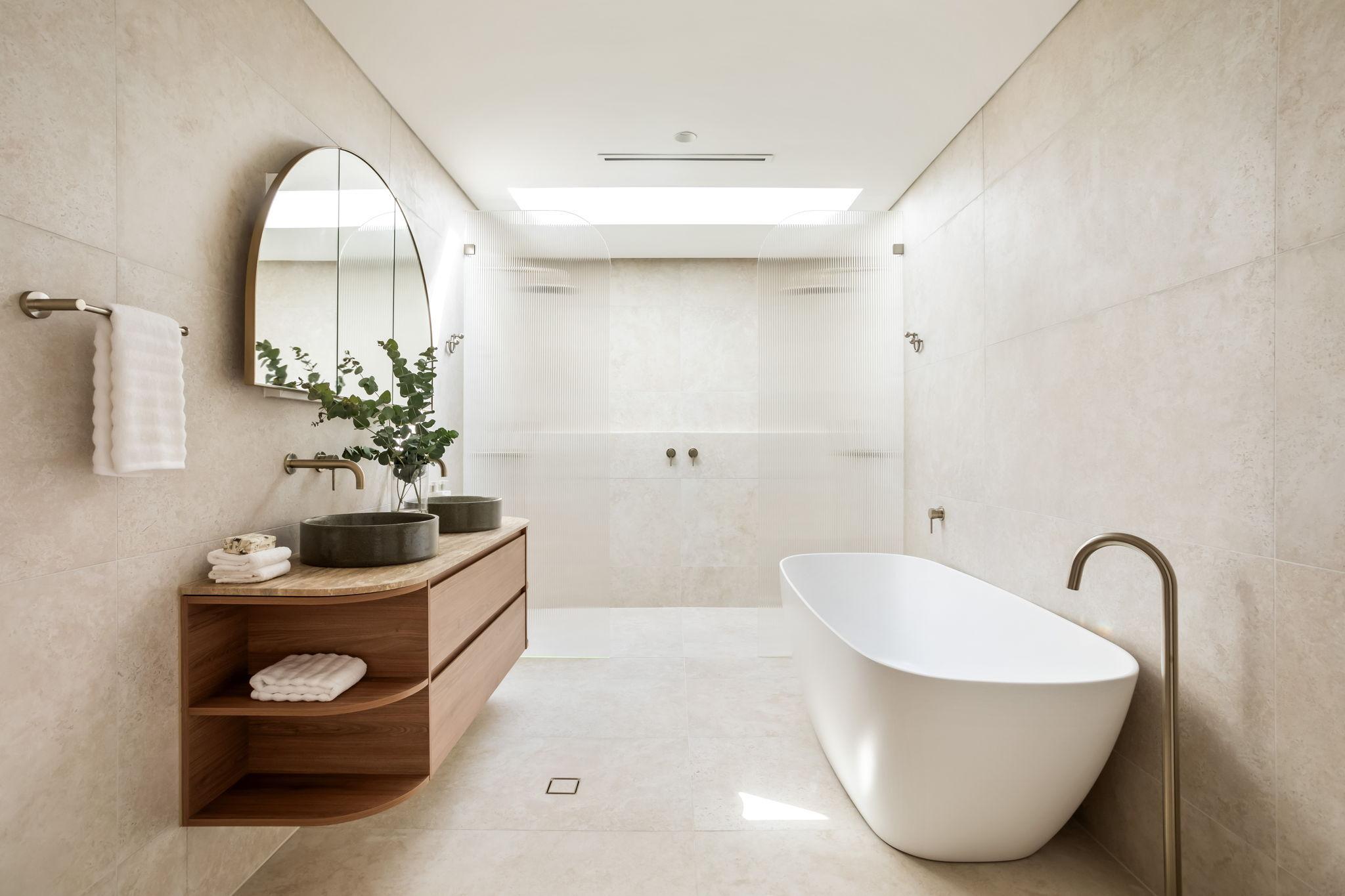
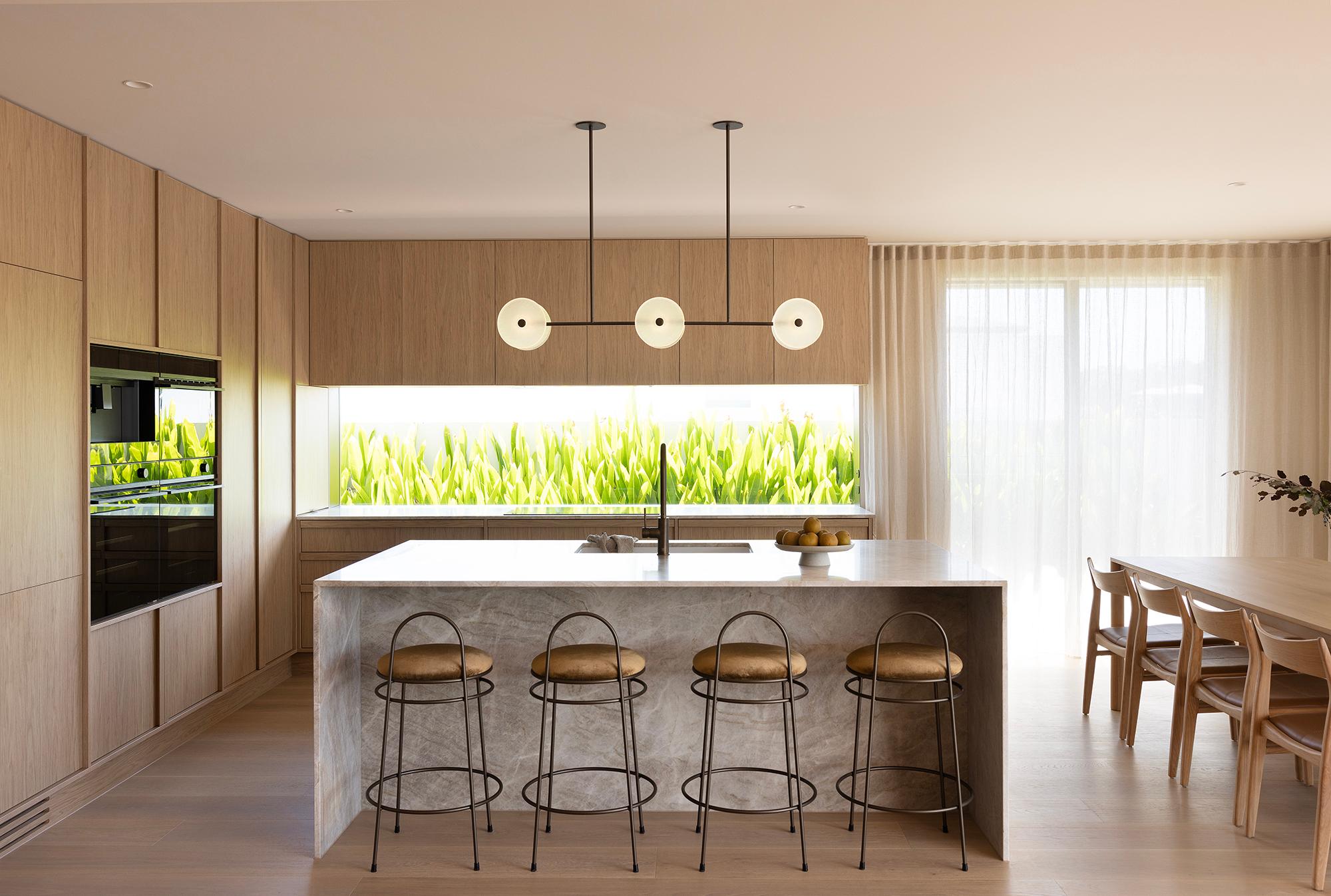
Stone walls, countertops, flooring, greenery, wooden cabinetry, and a skylight to let in plenty of natural light. Check out our Kirribilli Travertine Look Beige Matte Tile or Sydney Matte White Stone Look Tile to bring a similar look to your space.
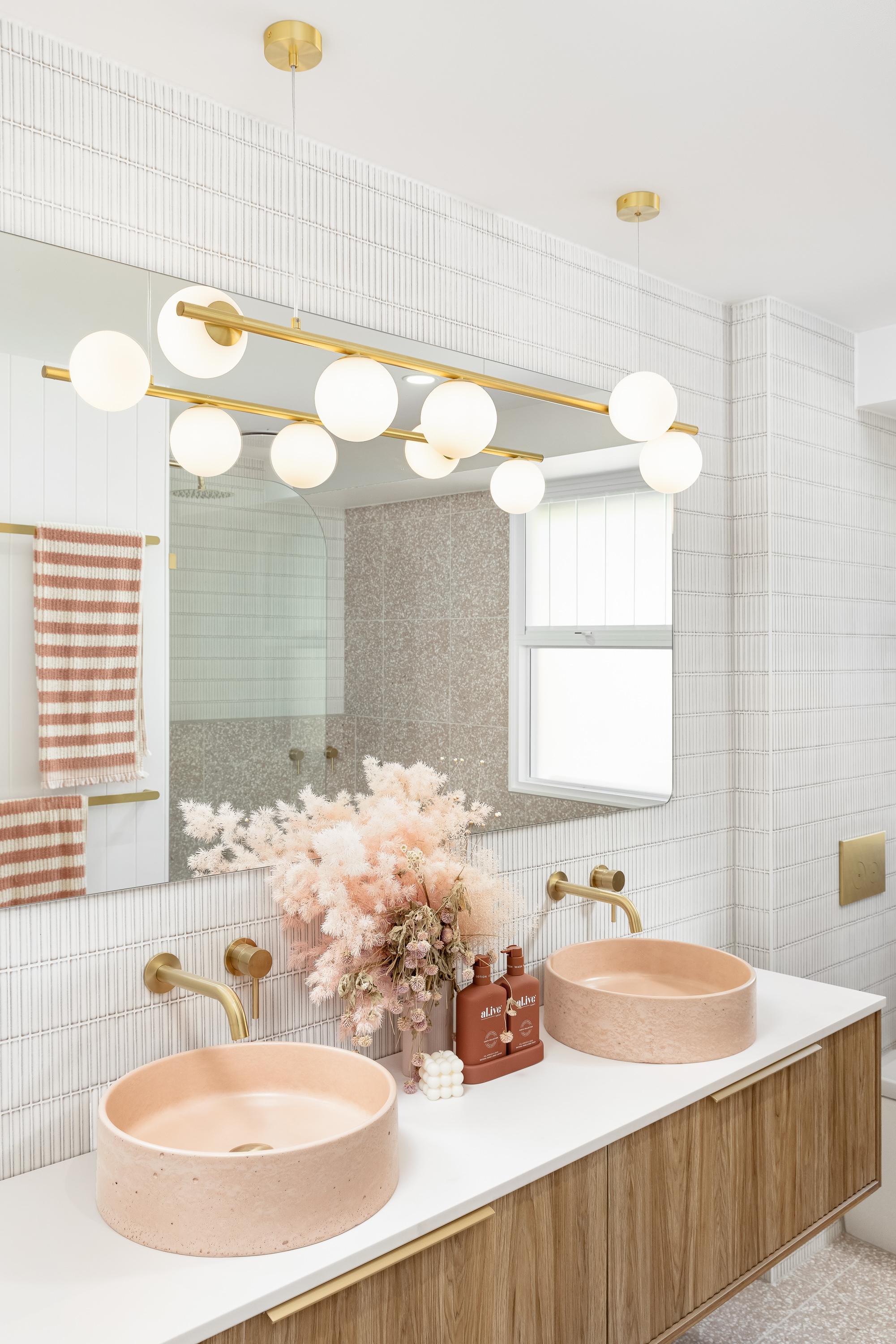
A soft, warm colour palette with gentle, earthy tones to make the most of the sunlight. Our Paddington Terracotta Terrazzo Look Tile and Coogee Antique White Kit Kat Mosaic Tile pair perfectly with wooden materials for a natural feel.
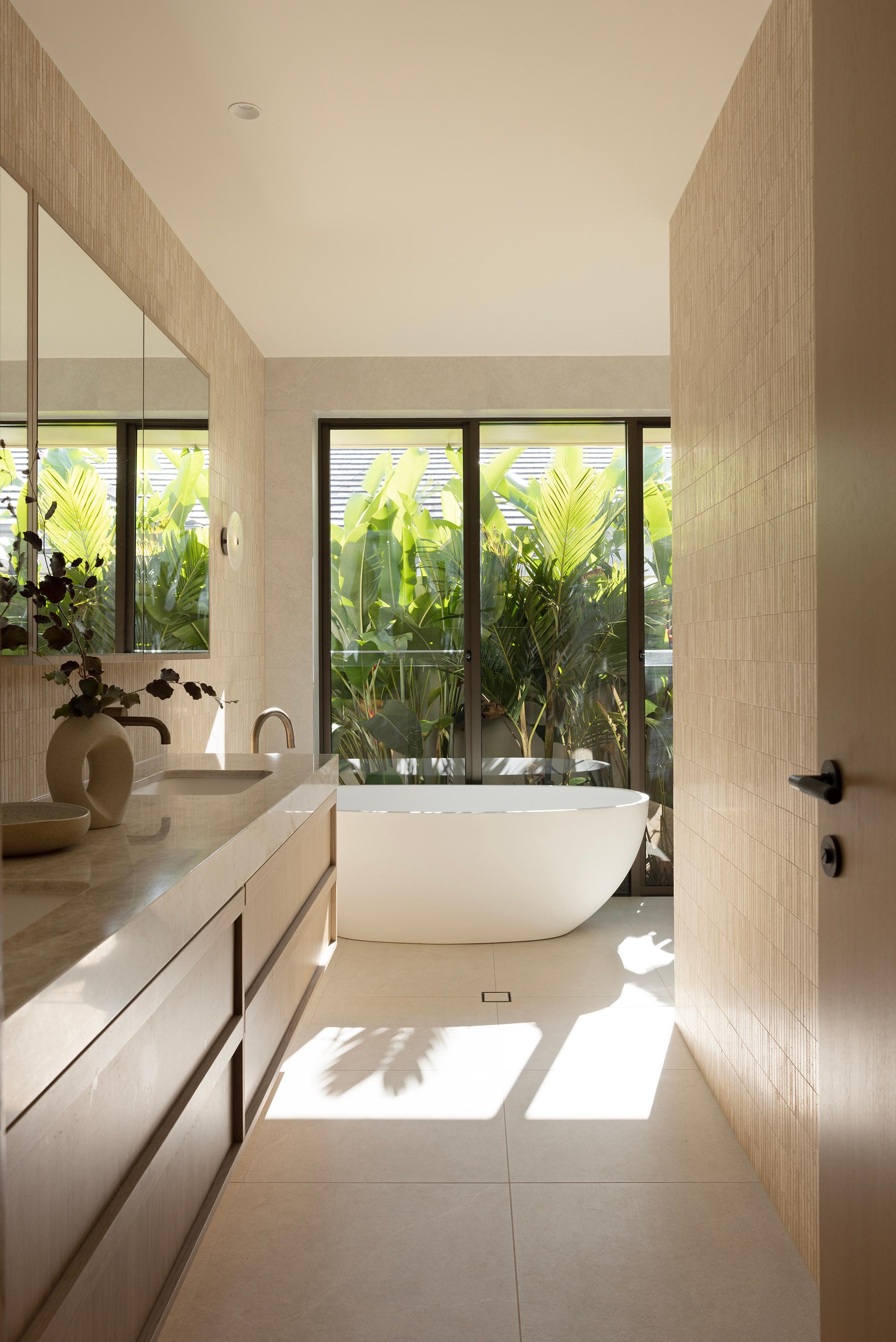
Indoor and outdoor greenery, stone countertop, floor and walls, wooden cabinetry and glass doors for direct access to natural light and outdoor view. Using our Coogee Antique Beige Matte Kit Kat Mosaic Tile and Sydney Matte Sand Stone Look Tile creates a similar effect to this stunning example of a modern bathroom.
The benefits of biophilic design
Aside from being great to look at, the benefits of biophilic design extend to both your mental and physical well-being.
Increased focus
Natural light and plants can improve cognitive function, which means better focus and clarity. That’s why you often see greenery in offices, where focus matters.
“Our brain is built to positively respond to the known cues of nature,” explains Jessica Plonchak, Interior Designer and Executive Clinical Director of Choice Point Health. "Biophilic spaces help promote healthy sleep patterns, productivity, as well as creativity," she says.
Deanna Girardo, Founder & Principal of Tranquil Interiors LLC, adds that because “Biophilic design can improve your physiological responses, such as heart rate and blood pressure, it can be curated to improve focus, productivity and cognitive abilities.”
Reduced stress
“From a psychological viewpoint, greenery and organic design rhythms and patterns have a deep effect on humans' nervous system,” says Plonchak. “They help relieve stress levels, regulate mood and focus, and lower blood pressure, which ultimately keeps your body and mind free from damaging effects in the long term,” explains Plonchak.
We naturally feel calmer when we’re surrounded by nature, even when we’re indoors. This can be especially helpful for people who spend most of their day inside. “The presence of plants creates a mindful atmosphere in the home, allowing us to slow down our pace and stay focused in the present moment,” adds Plonchak.
Better air quality
Plants can improve air quality by reducing indoor pollutants. They can also increase humidity, making your home feel more comfortable, especially in dry conditions. Adding a few well-chosen indoor plants is a simple yet effective way to support a healthier indoor environment.
Visually stunning
Biophilic design creates a harmonious environment where every element feels connected. Organic modern interior design creates a peaceful, functional, visually appealing home that you’ll love living in every day.
Who benefits the most from biophilic design?
Biophilic design is universally beneficial, but certain people will experience a greater impact.
- People who work from home – biophilic elements can support focus and reduce mental fatigue
- Those with poor sleep hygiene – natural light, airflow and plants can help regulate sleep patterns
- Anyone feeling stressed or overwhelmed – calming, nature-driven spaces can help lower stress levels
- Nature enthusiasts – bringing natural elements indoors supports a closer connection to the outdoors
When to call a professional
While biophilic design can be implemented with DIY projects, sometimes a professional is the best option. If you’re looking to make bigger changes or need help with structural design, it’s worth hiring an expert who specialises in organic modern interior design.
A professional can provide the right guidance to turn your home from a house to a sanctuary. Girardo backs this. “Hire a trained and educated professional who can assess every component of your architecture, lifestyle, personal needs and desired outcomes,” she says.
Biophilic design trends we’re expecting to see in 2026
Looking ahead, biophilic design will continue to evolve. In 2026, we expect to see greater integration of natural elements into urban environments, especially with the rise of eco-friendly and sustainable design practices. More homes and commercial spaces will incorporate natural elements, green walls and other innovative ways to align interiors with natural rhythms.
Small, easy changes for an improved well-being
Biophilic design offers a simple yet powerful way to enhance your home and wellbeing. By integrating plants, natural light, organic materials and good airflow, you can build a calming, healthy environment.
A sanctuary inside your home is well within reach when you prioritise biophilic design. If you need extra tips on getting started, chat with our interior designers, who are skilled at finding the perfect solution for you.
FAQ
What is biophilic design?
Biophilic design integrates natural elements, like plants and natural light, into interior spaces to improve well-being, reduce stress and boost productivity.
How can I incorporate biophilic design in my home?
Start by adding indoor plants, using natural materials like wood and stone, and making the most of natural light. Small adjustments, like improving airflow, can also help.
What are the benefits of biophilic design?
Biophilic design has physical and mental benefits. It can improve mood, boost productivity, enhance creativity and promote better sleep by creating a grounding and healthy environment.
What are the best indoor plants for biophilic design?
Monstera, Bromeliads, and other easy-to-care-for plants are great for biophilic design, offering both aesthetic appeal and air-purifying benefits.
How does biophilic design improve air quality?
Plants naturally purify the air by absorbing toxins and improving humidity, making your home healthier and more comfortable.
Can biophilic design be implemented in any home?
Yes, biophilic design principles can be applied to any home, from apartments to large houses, with simple additions like plants and natural materials.
What is the difference between organic modern interior design and biophilic design?
Organic modern design blends modern aesthetics with natural materials, while biophilic design focuses more on connecting people with nature to enhance well-being.
Who can benefit from biophilic design?
Anyone can benefit, but it’s especially helpful for people working from home, those prone to stress, or anyone looking to improve their sleep and health.
How do biophilic design principles support productivity?
Natural light, plants, and good airflow can help improve focus, creativity and cognitive function, making your environment more conducive to productivity.
What are some biophilic design trends to expect in 2026?
Expect to see more green spaces in urban environments, like living roofs and green walls, as well as eco-friendly designs that integrate nature even further.

Layla is a creative at heart, with an Advanced Diploma in Interior Design and being the Senior Marketing and Ecommerce Coordinator here at TileCloud she has a passion for staying up to date with the latest trends within the industry. Known for going down a rabbit hole on Pinterest and being a sucker for a good mood board to kick off any project.