Living Smarter with a Smart Kitchen
The kitchen has always been the heart of the home – and it’s now one of the smartest spaces in it. But a smart kitchen isn’t about loading the space with gadgets for the sake of it — it’s about thoughtful integrations to make everyday life easier and more enjoyable.
In this guide, we explore 10 smart kitchen ideas shaping modern homes, with practical kitchen renovation tips that balance innovation, comfort and timeless design — whether you’re planning a full kitchen renovation or upgrading a few key elements.
So what makes a kitchen “smart”?
Modern life already comes with plenty of screens, notifications, data and digital noise. A smart kitchen uses smart home technology selectively, focusing on features that genuinely reduce effort and simplify daily routines without adding more distractions.
We’ve been conceptualising smart kitchens for decades:
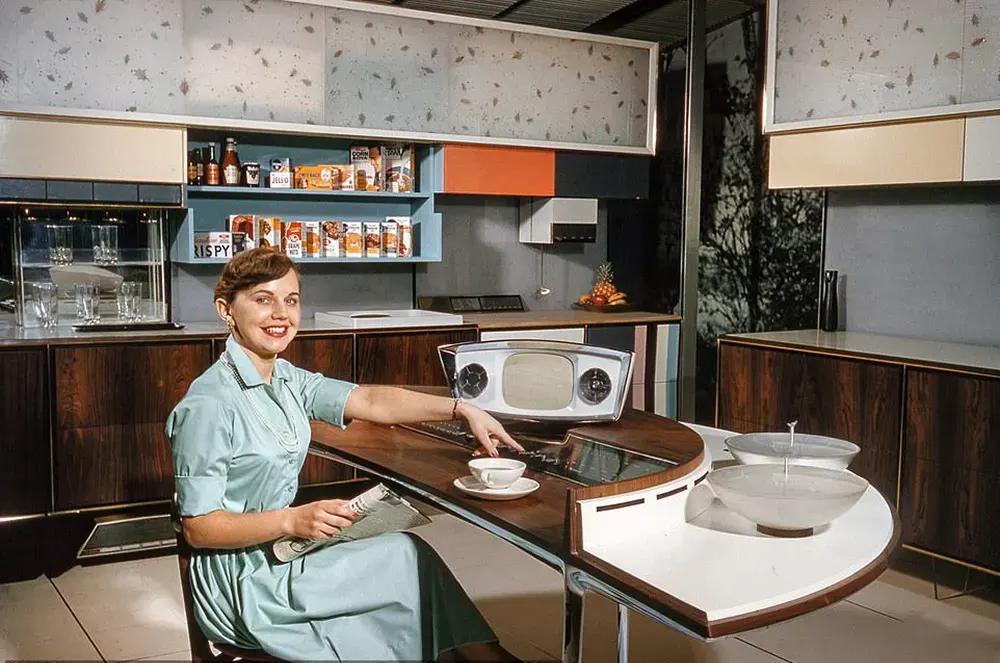
Smart kitchen storage display in an American exhibition in the 1950’s — Credit: rarehistoricalphotos.com
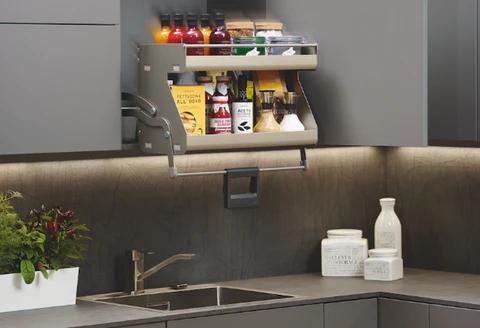
Häfele Lift-up Tray ‘iMove’ (2019) — Credit: hafelehome.com.au
Smart kitchens today look like smart ovens that auto-adjust their time and heat, lighting that responds to different times of day, fridges that keep track of your groceries or sensor-activated faucets to keep the space hygienic and sustainable.
Let’s explore some of the latest smart home technology trends with practical kitchen renovation ideas that balance innovation, comfort and timeless design.
10 smart kitchen ideas shaping modern homes
Smart kitchens aren’t built around one standout feature. They’re shaped by a series of thoughtful design and technology decisions that improve how the space works day-to-day.
1. Smart kitchen appliances that work harder for you
Smart kitchen appliances not only take the guesswork out of cooking but also help reduce waste and lost time. Many modern ovens, cooktops and dishwashers can automatically adjust temperature, timing or energy levels based on how they’re being used.
Some smart cooktops even come with recipe app integrations and can be controlled remotely from your phone or voice assistant. Smart kitchen appliances like fridges can help reduce food waste by keeping track of what’s inside, while programmable coffee machines can make your perfect cup before you wake up.
2. Voice-controlled kitchens for hands-free living
The kitchen is a hands-full space, so voice assistants like Alexa or Google Assistant let you control things without stopping to press buttons. This might mean adjusting lighting while cooking, setting timers, playing music or checking reminders while prepping meals. These can be time-dependent too: “Turn off the under-cabinet lighting at 10 pm” or “Tell me when there’s 10 minutes left on the timer”.
3. Intelligent lighting for task, mood and energy efficiency
Lighting is a core element of any kitchen, but smart lighting — accessible through mobile apps, home assistants (such as Google Home) — allows different areas of the kitchen to respond to how the space is used throughout the day.
You can set up zoned lighting for different tasks, like bright ceiling lights over the stove or hanging lights for relaxing dinners. Motion sensors and scheduling keep lights on only when needed, making your kitchen more energy-efficient and easier to control.
Smart lighting also works hand in hand with materials and finishes, including your choice of kitchen tiles. Gloss or light-reflective tiles can help bounce light around darker areas, while matte or textured finishes soften glare in brighter spaces.
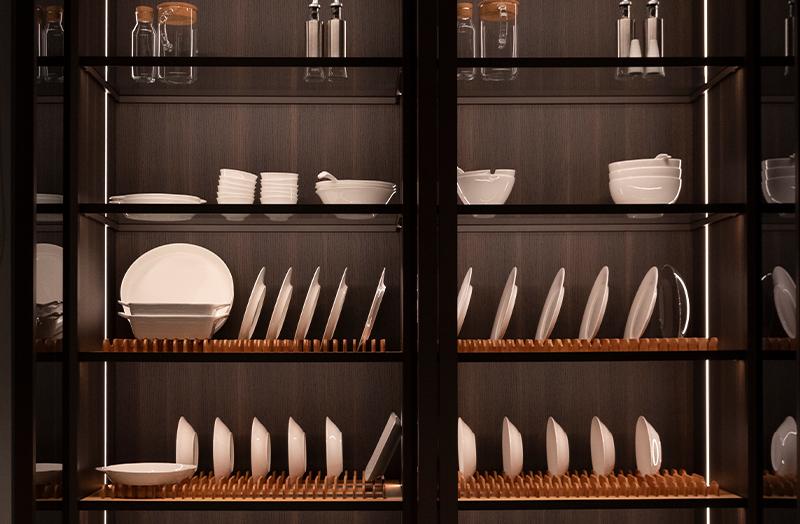
Automatic lights that switch on as the drawer opens are a modern solution to classic storage options.
4. Smart storage solutions
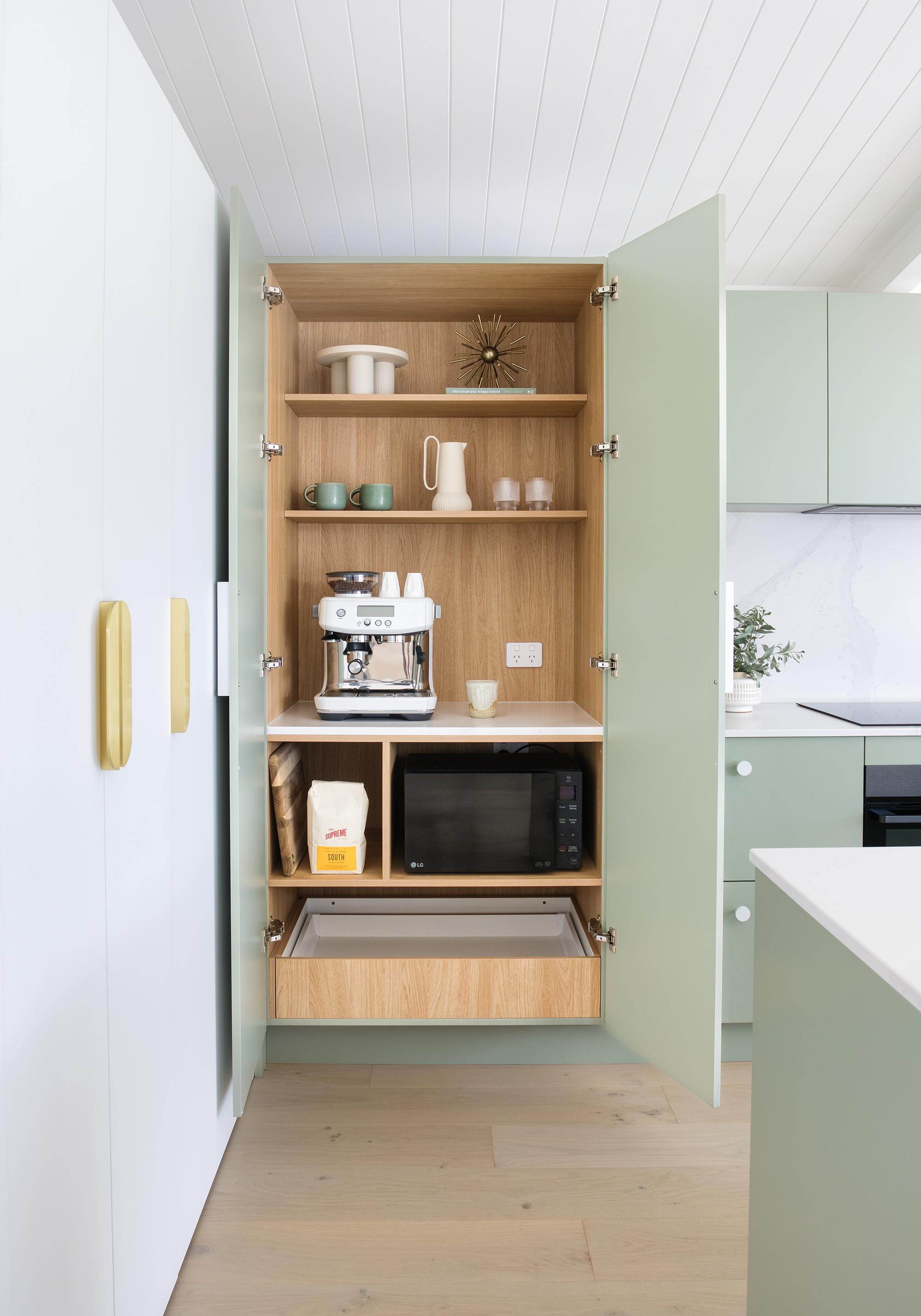
Innovative storage solutions are a game-changer for keeping your kitchen efficient and clutter-free. Think well-lit drawers, automated pantries that help you reduce food waste, internal organisers to make better use of available space and soft-close systems to improve usability without drawing attention to the technology itself.
When planning smart storage as part of a kitchen renovation, it’s worth thinking about daily habits. Where do groceries land when you walk in the door? Which items are used most often? Storage that’s planned around real routines — rather than maximum capacity — helps the kitchen feel calmer and easier to maintain.
5. Touchless taps and water-saving tech
Sensor-activated taps, already common in public bathrooms, bring convenience, hygiene and water conservation to smart kitchens. These taps let you turn water on and off without touching handles – particularly useful when cooking or cleaning up with messy hands. By limiting unnecessary runtime and offering more controlled flow, sensor taps also help conserve water while keeping everything clean — a win for both the environment and your water bill.
6. Smart kitchens designed for sustainability
Smart home technology can help by making everyday consumption more visible and efficient. Many smart appliances now come with energy-monitoring capabilities that help track your usage and make adjustments.
For example, lighting that switches off when it’s not needed, taps that limit water flow and smart ovens that conserve energy without constant attention. These features not only reduce your carbon footprint but also save you money on utility bills and unnecessary replacements in the long run.
Just as important are the materials used throughout the space. Recycled tiles are a great way to keep your upgraded kitchen eco-friendly, working with energy-saving tech to keep your home sustainable.
7. Materials that support smart kitchens
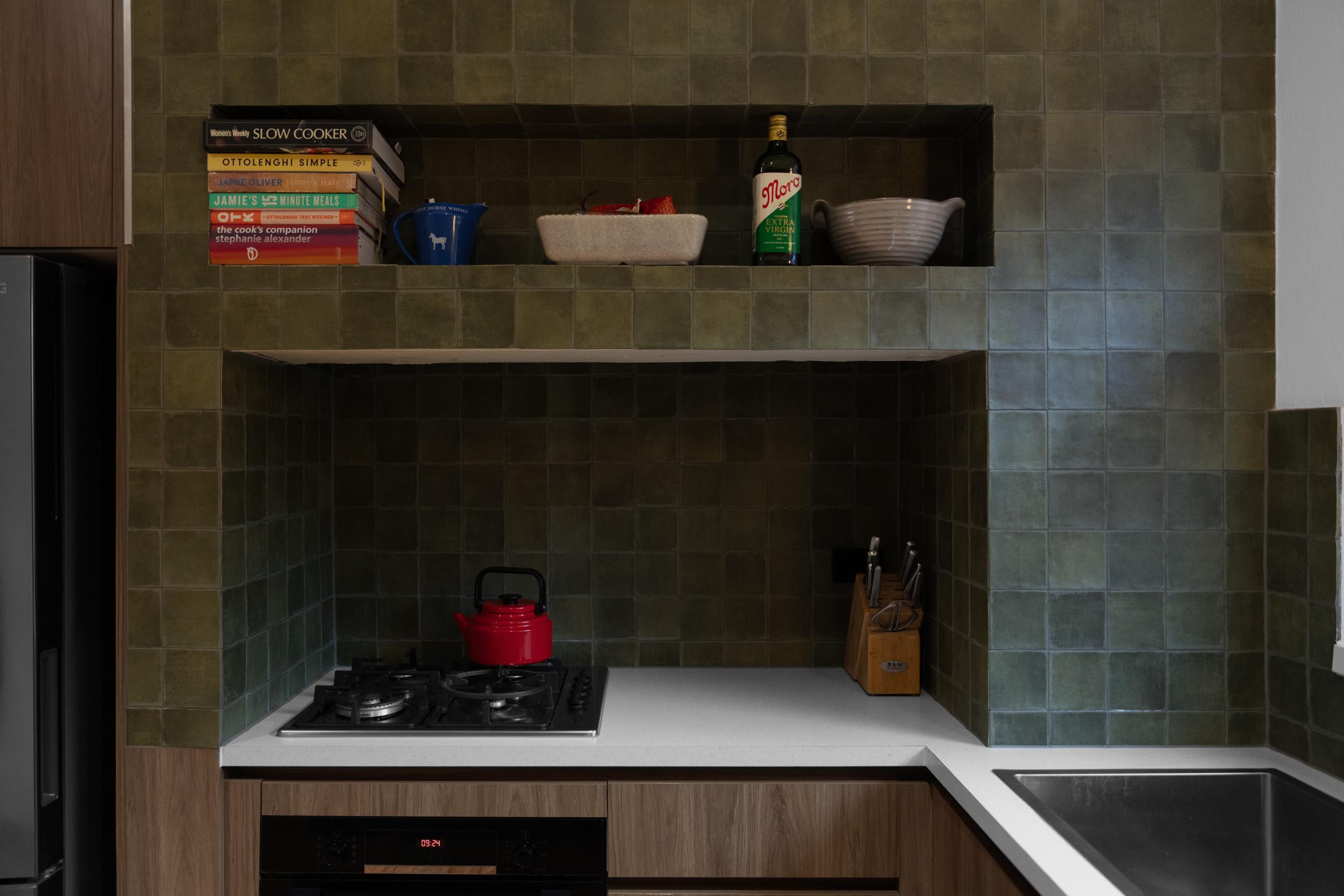
While the tech in your smart kitchen gets all the attention, the materials you choose determine how well the space performs over time. Tiles, surfaces and countertops that complement your tech can help create a modern, integrated look.
Durable materials such as porcelain tiles are particularly well-suited to smart kitchens. They’re hard-wearing, easy to clean and resistant to temperature changes, making them a practical choice around cooktops, splashbacks and high-traffic zones.
8. Kitchen layouts designed for smart living
No amount of smart home technology can compensate for a poorly planned kitchen layout. Smart living starts with clear zones, efficient movement and a layout that supports how the space is used day to day.
In a smart kitchen, layout decisions often focus on reducing unnecessary steps and making key tasks easier. Prep zones, cooking areas, and cleaning stations should be clearly defined, with lighting, storage, and power planned for each. Allowing space for additional power points, integrated lighting or upgraded smart kitchen appliances means the kitchen can evolve over time without major disruption.
9. Where to start planning your smart kitchen upgrades
When exploring smart kitchen renovation ideas, it’s easy to assume you’ll need to commit to a full renovation — but that’s not always the case. Start small, focusing on smart home additions that will have the biggest impact on your daily routines.
Swap your lighting out for smart lighting or upgrade your coffee machine to an autonomous version. Install a smart fridge, an intelligent cooktop or simply start using a kitchen display, like Google Home, to connect smart kitchen appliances or manage recipes, grocery lists and timers. None of these kitchen ideas requires any structural changes to your space.
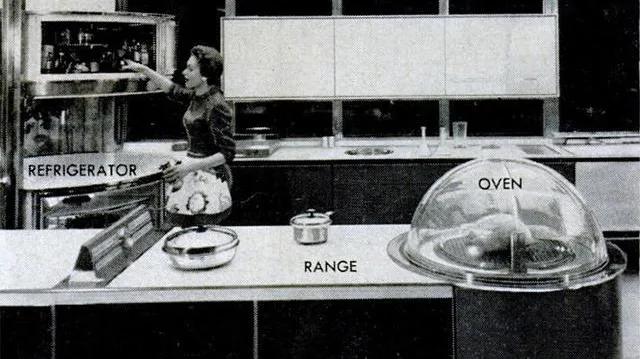
‘Kitchen with a brain’ (1950’s kitchen with a control panel concept) — Credit: digitaltrends.com
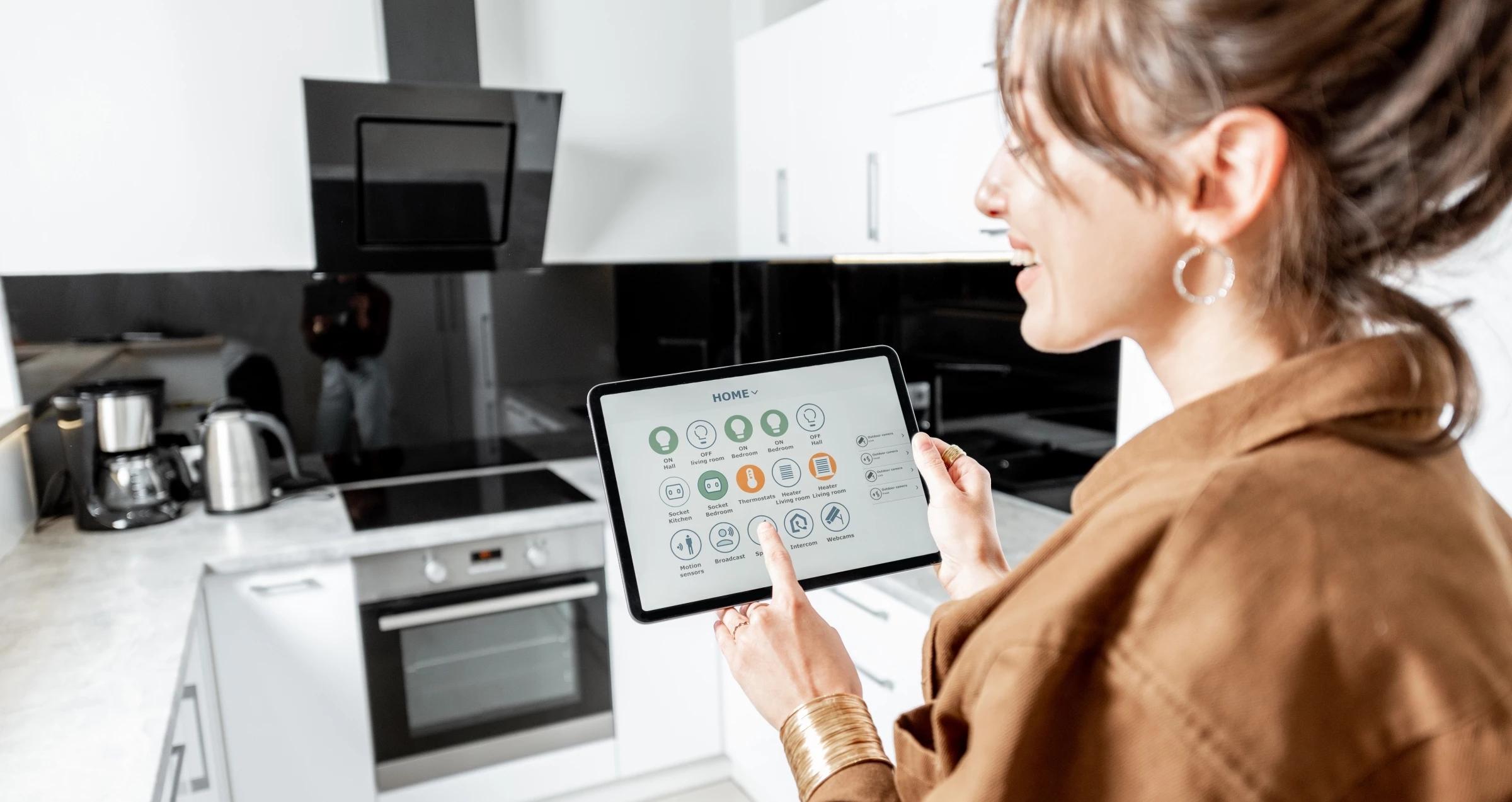
Mobile kitchen control panel (2023) — Credit: airtasker.com
For bigger changes, you’ll need to put extra thought into your layout, including the correct wiring to support your new devices. If you’re not sure where to start, it’s best to chat to a professional to plan and integrate your smart home installation safely and seamlessly.
10. Connecting your kitchen to the wider smart home
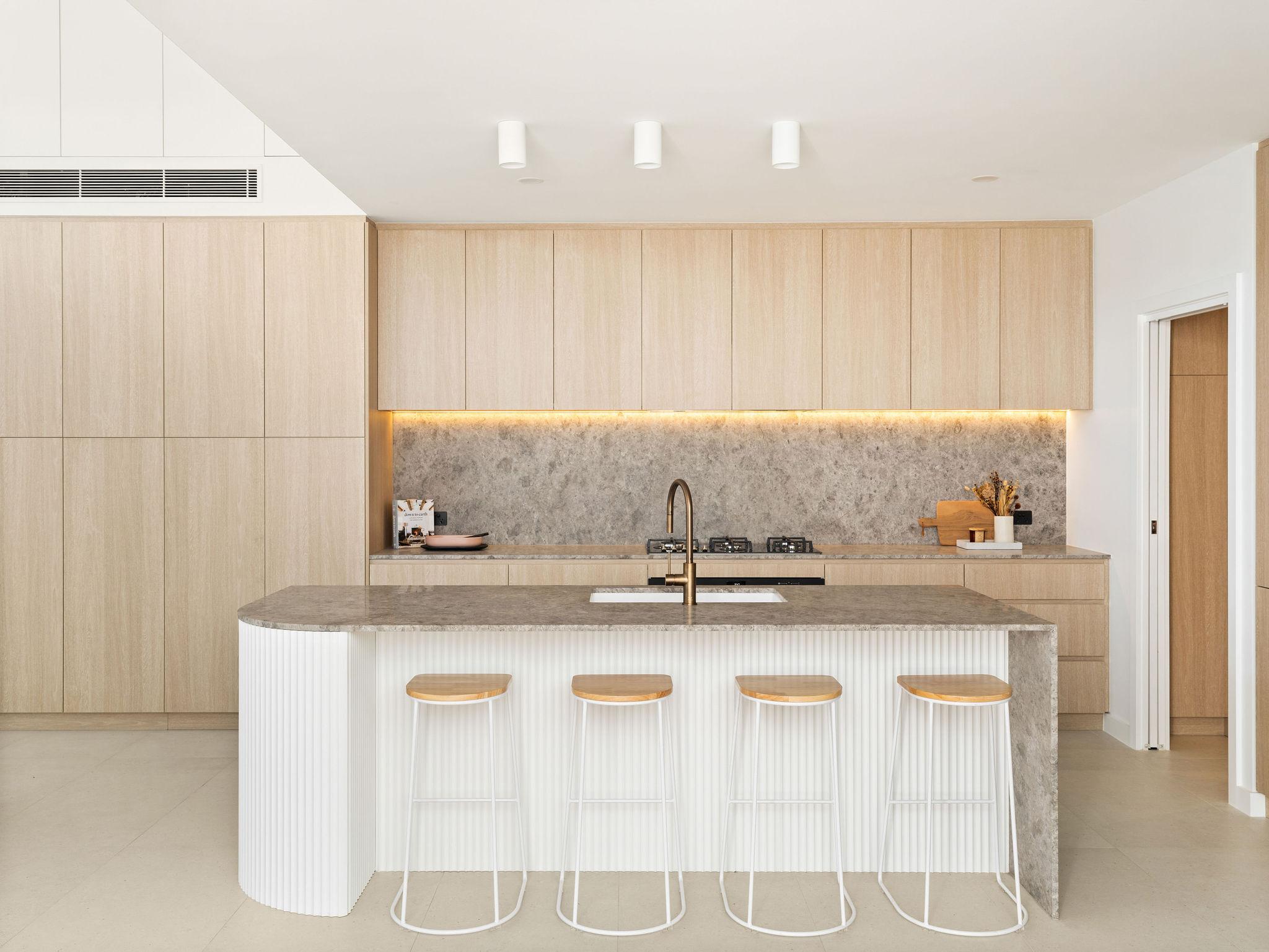
A smart kitchen works best when it’s part of a wider smart home ecosystem. Instead of managing each room separately, smart home technology systems work together to support everyday routines. Many households manage this connection through a central smart home platform, like Google Home, which brings together lighting, appliances, climate control and security across the home.
In practice, this might mean lighting that adjusts across adjoining spaces in the evening, appliances that run during off-peak energy hours, or simple automations that respond to when the household is most active.
Bringing smart kitchen ideas to life
Transforming your kitchen into a smart, connected space that supports your daily routines is easier than you think. Most successful smart kitchens always balance innovation with durable materials, considered layouts and finishes that will stand the test of time — be it a few simple upgrades or a full renovation.
If you’re ready to explore smart kitchen ideas, start by taking our Style Quiz to discover the perfect design for your space. You’ll find everything you need to make your kitchen both functional and stylish — no matter how tech-savvy you want to get.

Layla is a creative at heart, with an Advanced Diploma in Interior Design and being the Senior Marketing and Ecommerce Coordinator here at TileCloud she has a passion for staying up to date with the latest trends within the industry. Known for going down a rabbit hole on Pinterest and being a sucker for a good mood board to kick off any project.